Benefits
Optimise workflows
Optimising workflows where it truly matters
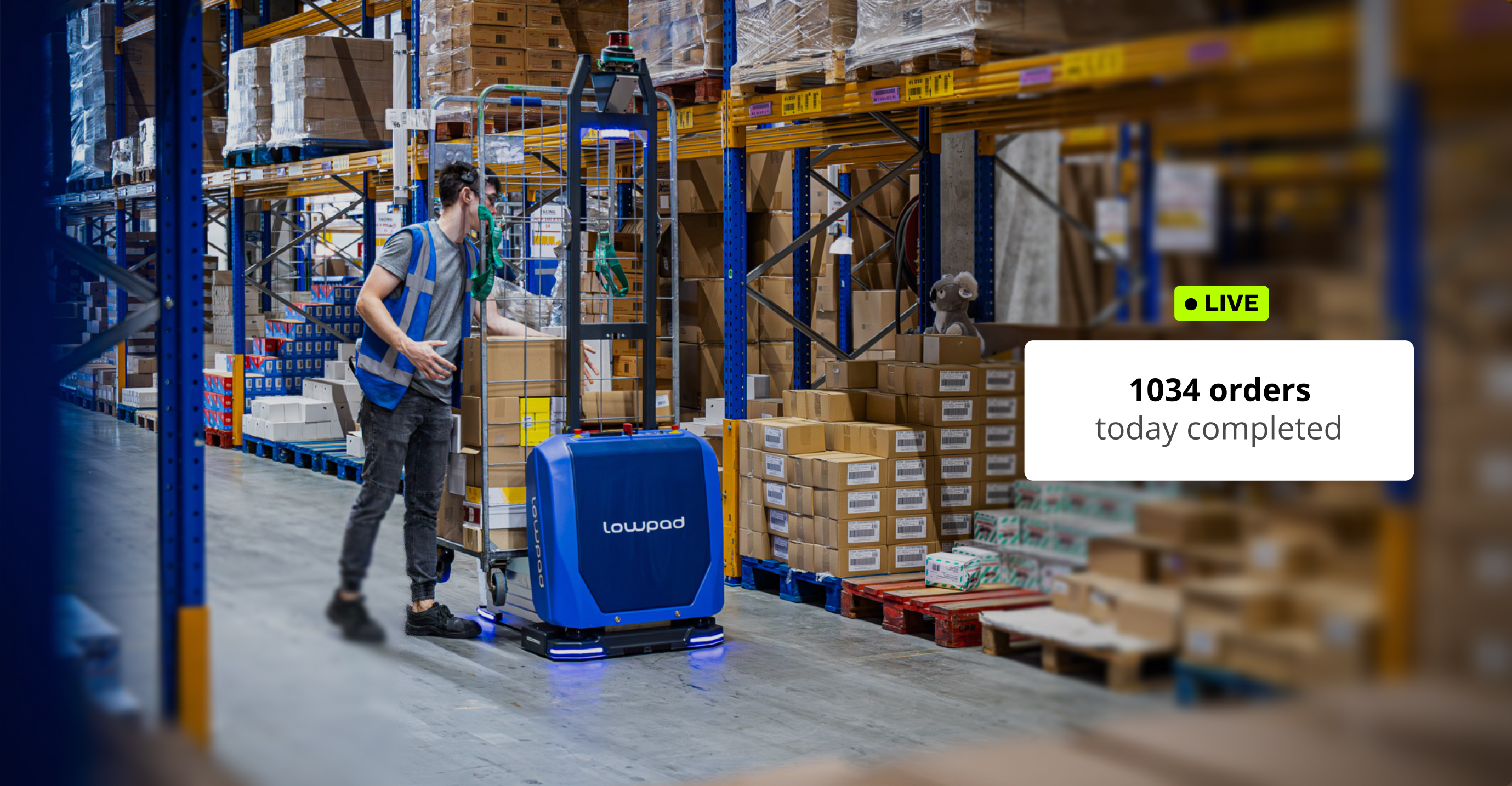
Warehouse efficiency depends on how well work is organised, sequenced and executed. Within the Lowpad Suite, Lowpad Control optimises workflows by continuously coordinating tasks across automated processes, ensuring that loads move through the warehouse with minimal delay, travel and congestion. Using dynamic, purpose-built algorithms, Lowpad optimises tasks originating from your WMS/ERP.
Intelligent task orchestration and routing
Loads are intelligently clustered and sequenced to create density, reduce unnecessary movements and shorten cycle times. Instead of executing tasks one by one, Lowpad Control groups loads to maximise efficiency. Our software continuously calculates efficient routes and pick paths. It anticipates interactions among robots, load carriers and people, and dynamically adjusts workflows as conditions change. Potential blockages, congestion or traffic conflicts are detected early and resolved through smart routing and task reassignment, keeping automated flows moving smoothly throughout the day.
Optimised AMR pick paths for case-picking
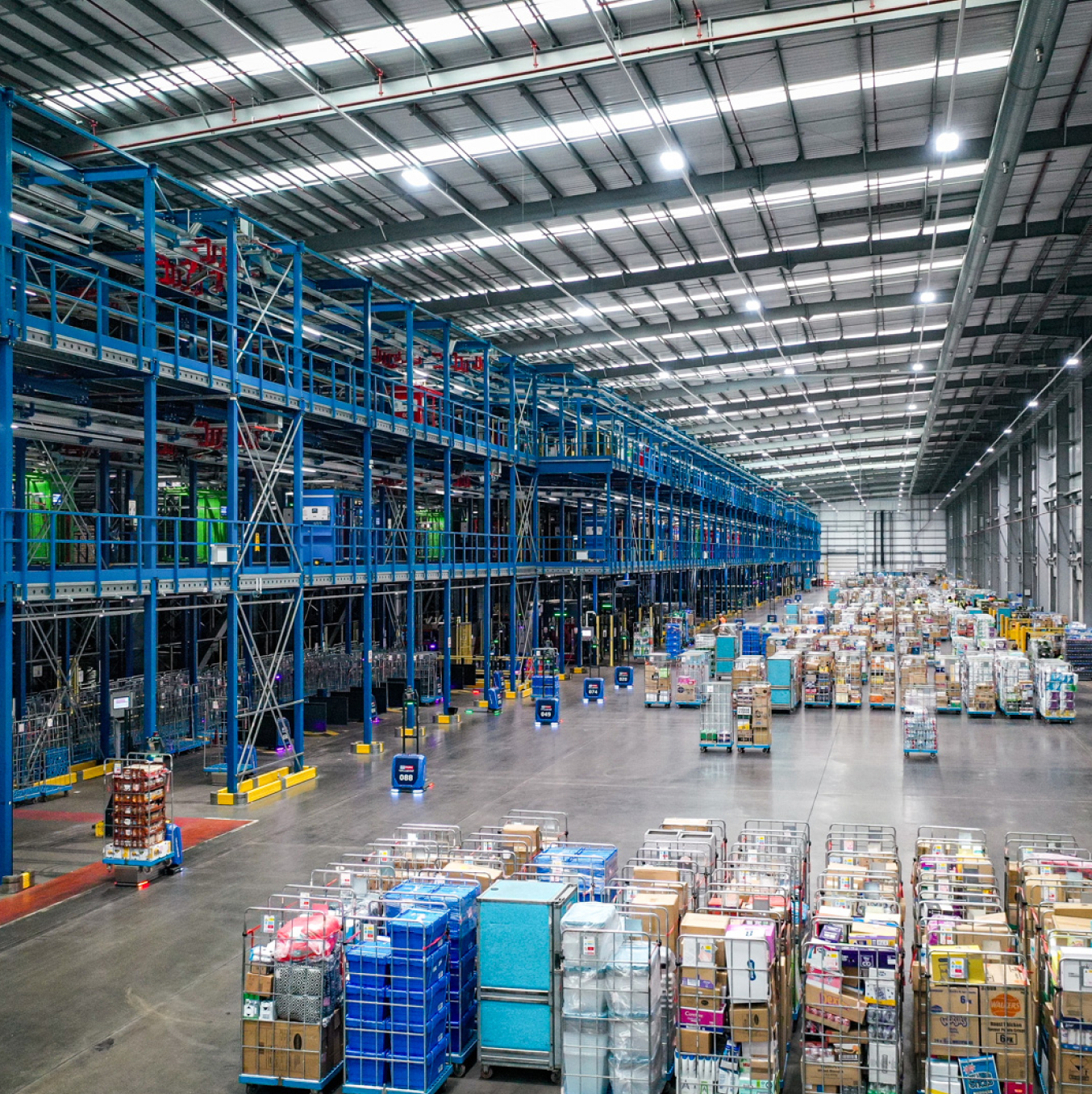
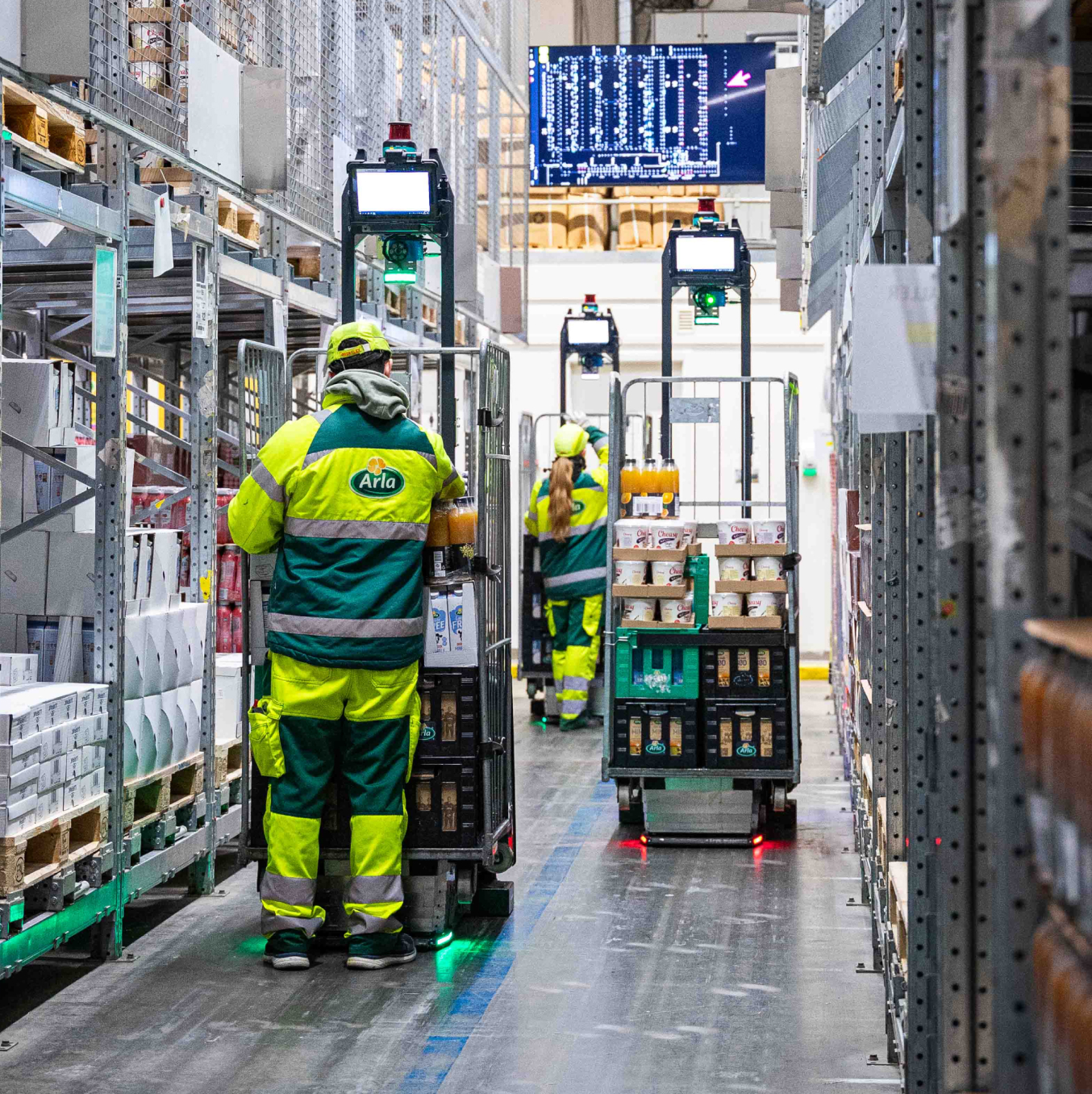
For case-picking specifically, Lowpad Case Picking optimises AMR pick paths to minimise travel distances and maximise productive picking time. By reducing walking, waiting and backtracking, productivity increases without adding complexity to the operation. Because optimisation is software-driven, workflows remain efficient even as volumes fluctuate, priorities shift or layouts evolve.
Built for complex warehouse environments
Lowpad enhances the performance of retail warehouses in dynamic, large-scale environments, whether in complex brownfield warehouses or newly built greenfield operations. Because orchestration and optimisation are managed through software, workflows remain stable and efficient even as operations evolve.
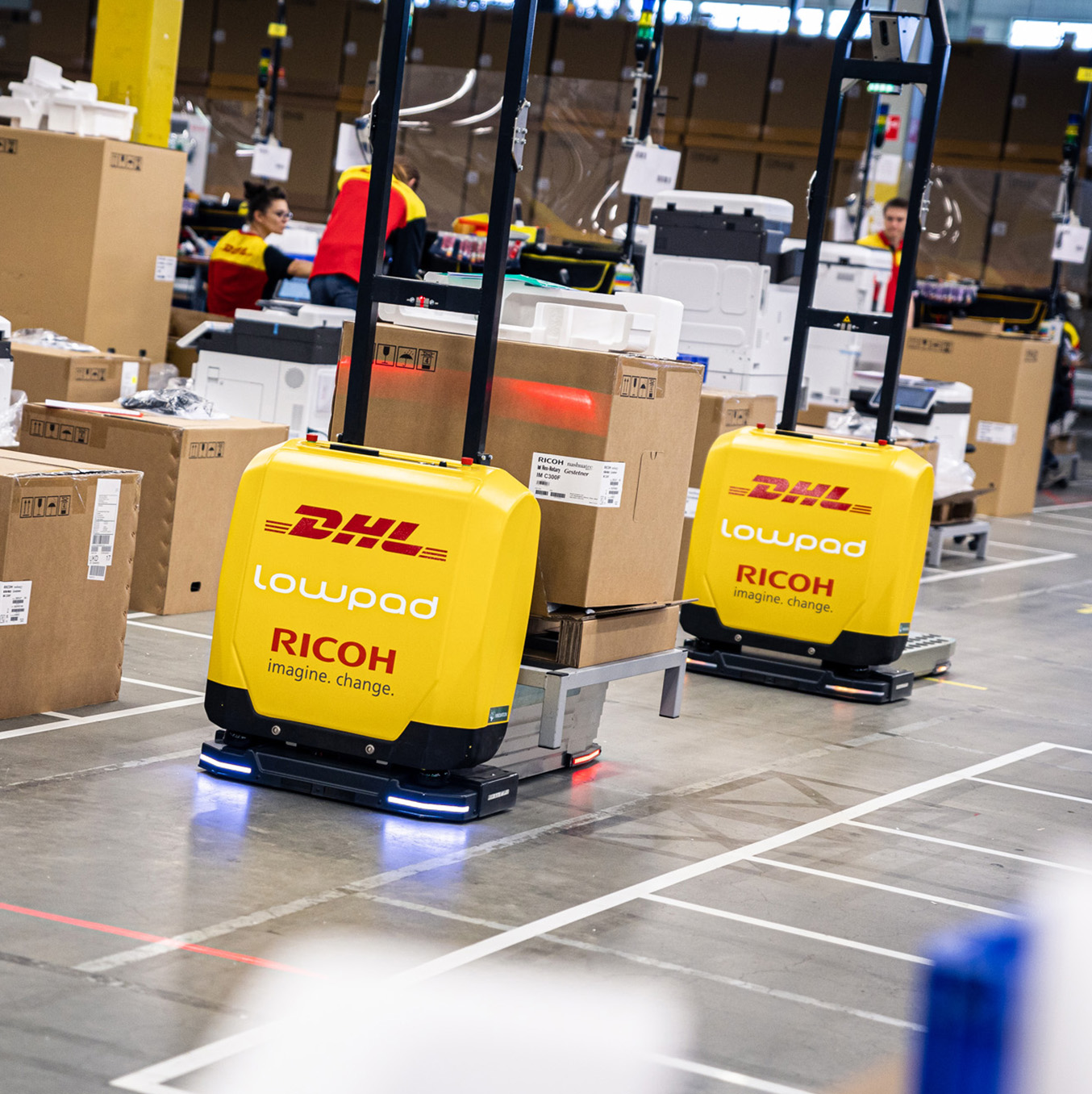
This software-driven adaptability ensures that automation remains resilient in the face of changing warehouse conditions, supporting consistent performance as retail operations scale and evolve. New robots can be introduced without disrupting existing processes, allowing automation capacity to grow in line with operational demand.
transition today